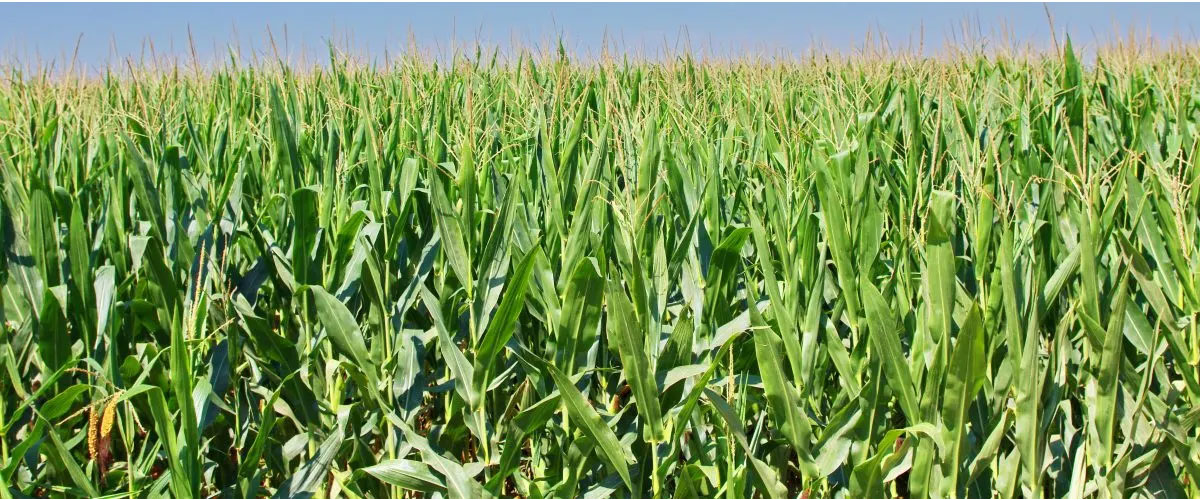
Farm resources encompass seeds, equipment, and funding, alongside crucial support systems such as Nigerian government federal assisted programs (loans, insurance, conservation), technical assistance, disaster relief, and online communities for sharing knowledge, all vital for farm success, sustainability, and growth. Key resources include financial aid (Federal government loans, grants), conservation programs (Nigeria Farmers land management program), market access, workforce support, and stress assistance networks, accessible via platforms like NigeriaFarmers.com and Farm Aid’s Farmer Resource Network. 

Types of Farm Resources
  • Financial: Loans (operating, ownership, microloans), grants, crop insurance, loan assistance tools, state-specific programs.
  • Government Support: Farmers.gov portal for account management, loan applications, disaster assistance tools, and local resource dashboards.
  • Technical & Educational: Extension offices, publications, programs for beginning farmers, urban growers, and specific sectors (e.g., dairy).
  • Land & Infrastructure: Access to land, storage facilities (grain bins, cold storage), and equipment financing.
  • Support Services: Stress management, legal aid, workforce development, and market access.
Key Providers
  • Nigeria Federal Ministry of Agriculture (NFMA): Offers extensive programs through their Agency.
  • States Ministries of Agriculture: Central hub for NFMA farm services and tools.
  • Local Government Agricultural departments: Provides direct farmer support, stress relief, and guides for financial/legal issues.
  • BOA: Bank of Agriculture offer state-specific loan and grant programs.
  • Private and NGO: Local technical assistance and resources. 
Resources for Specific Needs
  • Beginning Farmers: FGN Loan and grants, and Private Banks loan programs, microloans, and dedicated coordinators.
  • Urban & Small-Scale Farmers: BOA (Bank Of Agriculture) Agriculture resources and local Urban Service Centers.
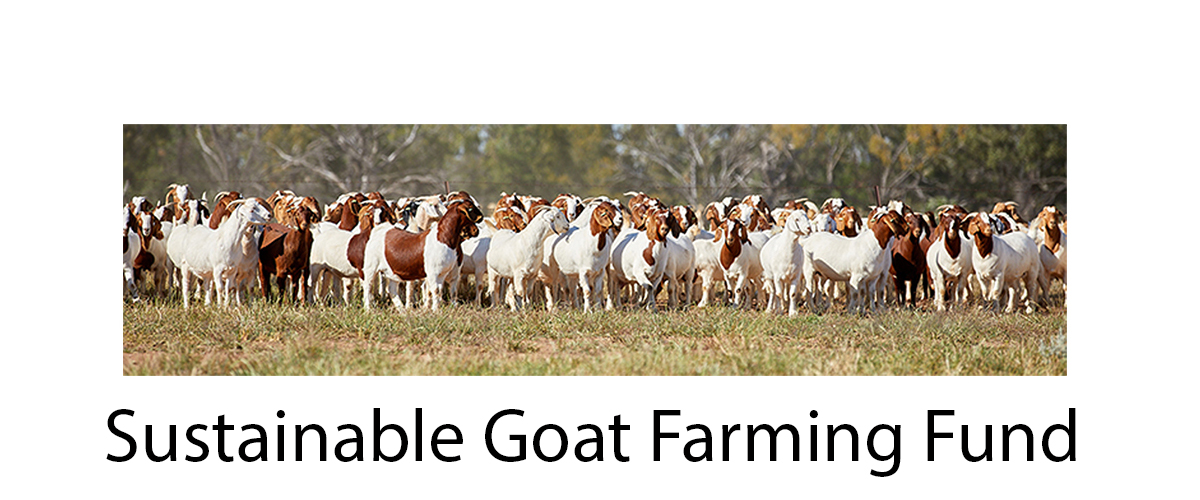
  • Animal Farmers: Apply through commercial banks or government schemes like NIRSAL, BOA (Bank of Agriculture). Key requirements include a Bank Verification Number (BVN), valid identification, proof of land ownership
Livestock guides!

Livestock guides offer comprehensive resources for raising animals like cattle, poultry, pigs, goats, and sheep, covering everything from beginner basics, breed selection, and housing to health management, organic practices, and marketing, with resources available as books (e.g., Storey’s Guides) and online from institutions like Cornell Small Farms. Key guides focus on specific animals, sustainable farming, urban farming, and legal/organic regulations, helping small-scale farmers or homesteaders manage their operations efficiently.
Types of Livestock Guides
  • Comprehensive Farm Guides: Cover multiple animals (chickens, pigs, cattle, etc.) for small farms and homesteads.
  • Specific Animal Guides: In-depth resources for particular species, like cattle, chickens, turkeys, or rabbits.
  • Management & Health: Focus on record-keeping, disease prevention, nutrition, breeding, and veterinary care.
  • Organic & Sustainable: Detail organic certification requirements and sustainable practices.
  • Business & Marketing: Provide guidance on direct marketing, regulations, and profitability.
  • Urban Farming: Address unique challenges of livestock in urban settings. 
Key Resources & Publishers
  • Storey Publishing: Well-known for detailed guides on specific livestock (e.g., Storey’s Guide to Raising Chickens, Storey’s Guide to Raising Beef Cattle).
  • Cornell Small Farms Program: Offers practical, research-based guides for New York farmers, including urban farming and direct marketing.
  • FarmKeep: Provides online guides and blog posts with tips on record-keeping, health, and management.
  • Book Retailers (Amazon, Lehman’s): Offer a vast selection of books for all levels, from beginner to advanced.
  • Selection & Setup: Choosing breeds, housing, fencing, and land management.
  • Daily Care: Feeding, watering, health checks, and managing heat stress.
  • Production: Breeding, managing layers, processing meat.
  • Business Aspects: Regulations, marketing, and profitability. 
Identify your goals (e.g., meat, eggs, fiber, pets) and the specific animals you’re interested in, then look for resources tailored to those needs and your farming scale. 
  • Breeds: Choosing breeds suited to your climate and goals (e.g., heat-tolerant cattle for hot regions).
  • Housing & Fencing: Building appropriate shelters and secure enclosures.
  • Nutrition: Diet planning for different animals and production goals (e.g., grass-fed).
  • Health: Managing common ailments, vaccinations, and creating health records.
  • Management: Record-keeping (health, breeding, finances), marketing, and operations.
  • Handling: Safe and humane methods for moving livestock, especially using ramps. 

Best practices

Best practices

Inputs

Inputs (Seeds, Fertilizer, Equipment)

Post Harvesting

Post Harvesting

Supply Chain

Supply Chains, Food market distribution

A typical landing page should have many possible exits for the user to purchase your Product. Enfold allows you to add as many as you want